Tips & Recipes for the Perfect Mulled Wine

Mulled wine known in French as vin chaud and in Italian as vin brulé is a timeless winter ritual that brings together warmth, spice, and conviviality. Rooted in European tradition, this aromatic beverage changes a simple bottle of red into a sensory experience. Below, we explore how to craft a balanced and flavorful mulled wine, the ideal wine styles to use, its benefits, alcohol content, and the story behind its name.

Which Wine is Best for Mulled Wine?

Selecting the right base wine is essential when making mulled wine. A full-bodied red with soft tannins and a ripe fruit profile works best something robust enough to carry the infusion of spices and sweeteners without getting lost. Recommended varietals include Merlot, Cabernet Sauvignon, or Pinot Noir. These grapes typically yield wines with plush texture and primary aromas of dark fruit and spice, providing an excellent foundation for mulled wine. There’s no need to use a fine wine destined for cellaring, but avoid mass-produced or unbalanced wines, as their flaws will only be amplified when heated.

Why Drink Mulled Wine?

Beyond its comforting character, mulled wine offers wellness benefits thanks to its spice blend. The spices used in the recipe like cinnamon, clove, nutmeg, and star anise are rich in antioxidants and known for their anti-inflammatory properties. It’s also a fantastic way to create a warm, festive atmosphere—whether you’re hosting a gathering, pouring it at a winter market, or supporting your immune system. The synergy of heat, aroma, and sweetness makes mulled wine not just a drink, but an experience.

What About the Alcohol Content?

The final alcohol level of mulled wine depends on both the ABV of the base wine and the cooking method. Most red wines fall in the 12–15% ABV range. During the mulling process, some alcohol will evaporate, especially if the mixture is overheated or boiled. To retain more structure and alcohol, simmer gently without reaching boiling point. For a lower-alcohol version you can reduce the cooking time or add more non-alcoholic fruit juice to the mix.

Why Is It Called "Vin Brulé"?

The term vin brulé means “burnt wine” in French, a nod to the traditional technique of heating wine with spices and sometimes caramelising sugar over an open flame. While modern recipes favor a gentler infusion to preserve aromatics and alcohol, the name evokes a rustic, fireside drink that warms from the inside out.

Latest news

©Monteverdi Vini s.r.l. – Via A.Moro 19, 26851, Borgo San Giovanni
P.IVA and C.F. 10386050156

Tel. 0371 97033-2
Mail:info@monteverdivini.it

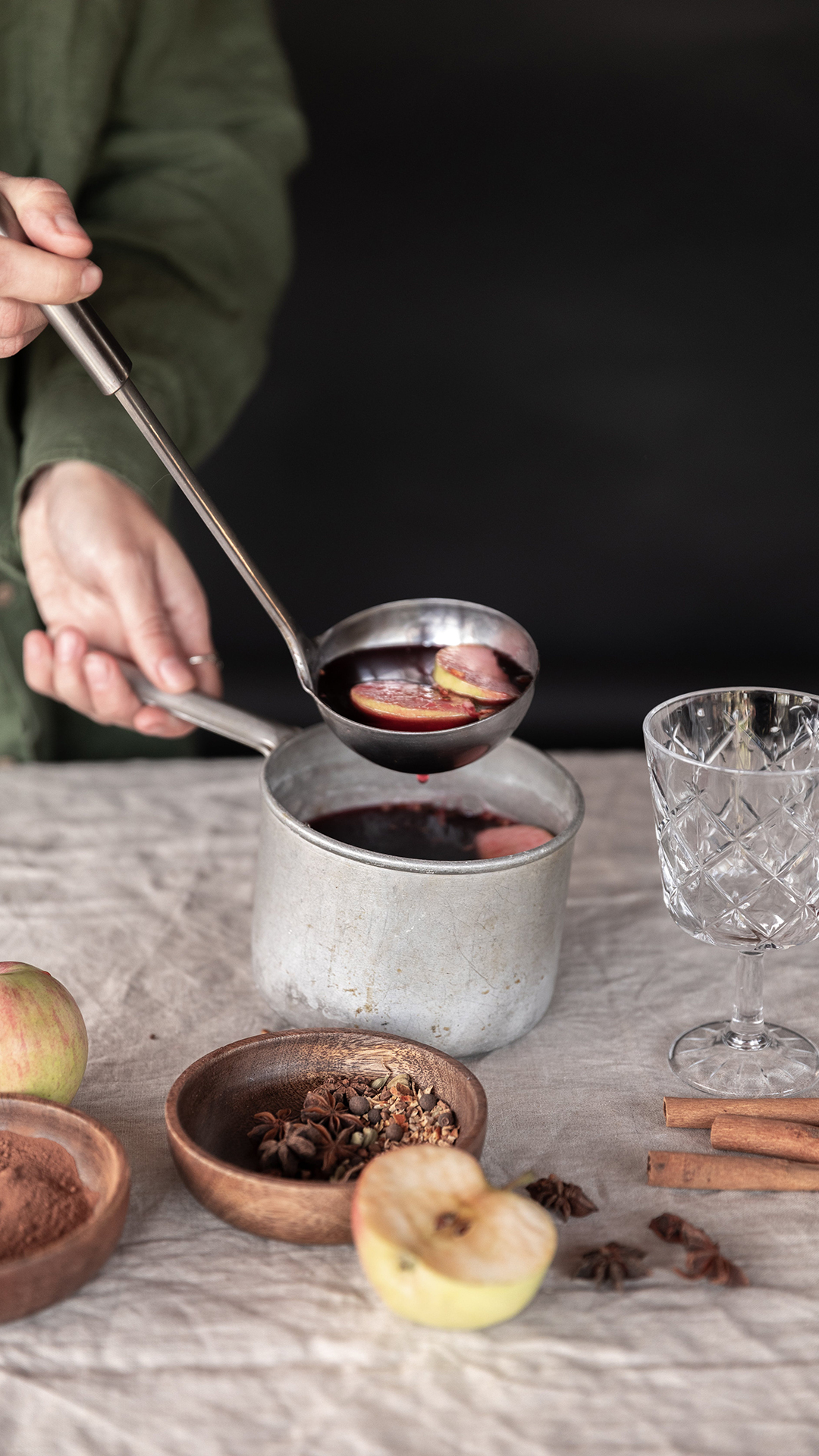
Classic Mulled Wine Recipe

To make mulled wine you will need:

– 1 x 750 ml bottle of dry red wine

– 1 orange, sliced

– 50 g (approx. ¼ cup) sugar, or to taste

– 8 cloves

– 2 cinnamon sticks

– 1 whole star anise (optional)

Method:

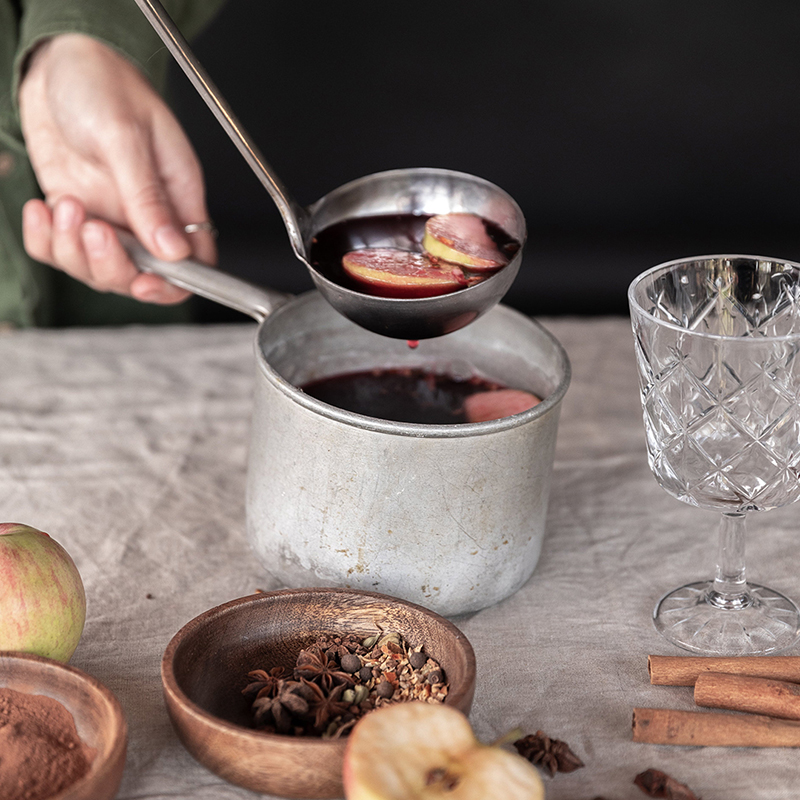
  1. In a stainless steel saucepan, combine the wine, sugar, and spices. Add the orange slices.
  2. Heat gently over medium-low heat, keeping the temperature below boiling point, for about 15–20 minutes to allow the aromatics to infuse.
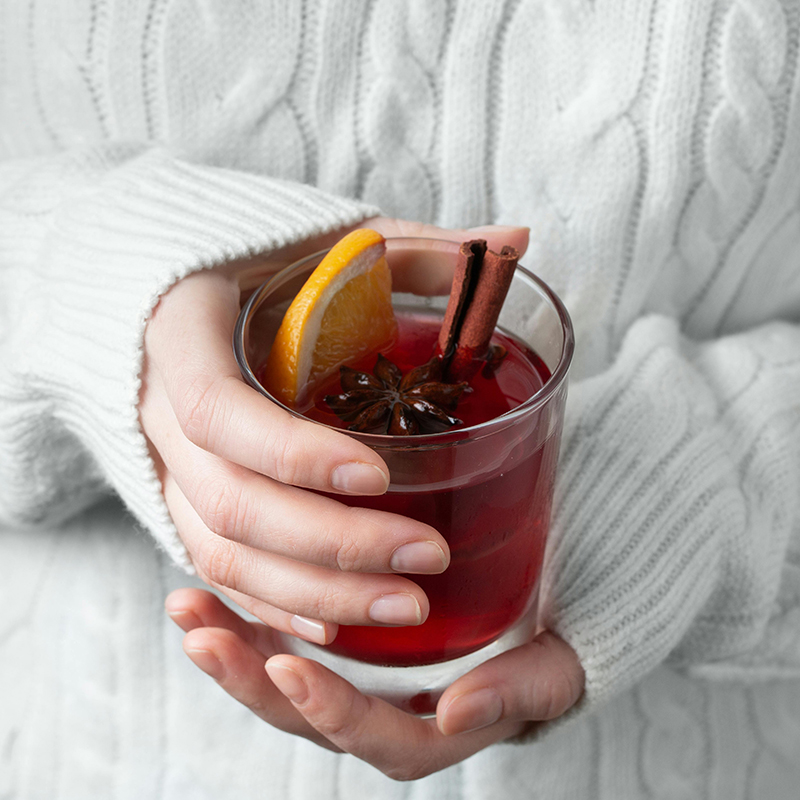
  1. Strain through a fine mesh sieve and serve warm in heat-resistant glasses or mugs.

Serve it as a welcome drink at your winter tastings, or simply enjoy it fireside with friends. Discover the perfect wine for your own mulled wine recipe at monteverdivini.it!

Cheers!