Vineyards in Revolution: Between Tradition and Innovation in the Age of Climate Change

Behind every bottle of wine lies a story—one shaped not only by people, but by the very soil, climate, and landscape from which it emerges. Today, this connection between wine and place is under increasing pressure, as climate change disrupts the delicate equilibrium that has sustained viticulture for centuries.
Rising temperatures and erratic weather patterns are rewriting the global winemaking map. In this piece, we explore how the worlds of land, wine, and climate are inextricably linked—and how winegrowers are rewriting their own rules in an era defined by adaptation and resilience.

Land, Wine and Climate Change

Change has always been part of Earth’s story—only now, it’s happening at a pace humans can feel. We’re naturally wired to seek stability, often believing that traditions, systems, and seasons can remain unchanged. But viticulture is reminding us that stability is an illusion.
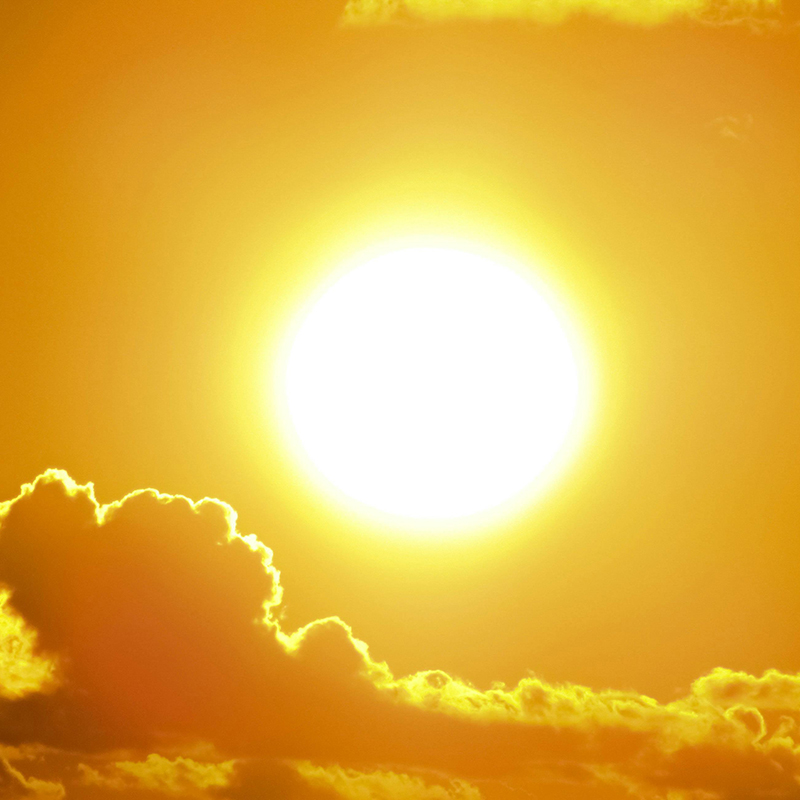
Since the early 2010s, the effects of climate change have become stark: rising global temperatures and significantly reduced rainfall have disrupted ecosystems and economies alike. In Northern Italy, for example, water shortages have reached crisis levels, prompting public campaigns to limit household use.

So yes—it’s hotter, and it’s drier. But what does that mean for the future of wine?

Let’s Focus on Heat First

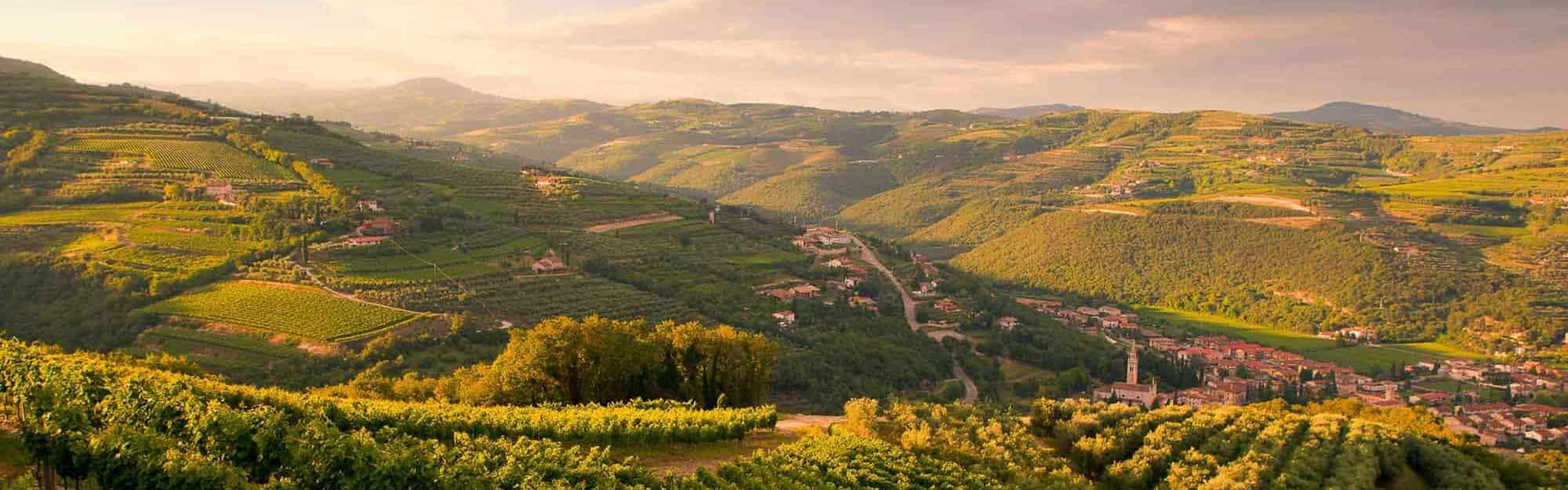
In Trentino-Alto Adige, the region best known in Italy for certain grape varieties, producers have responded by planting vineyards at increasingly higher altitudes year after year.

The characteristics of red wines have certainly changed in recent years, showing more ripe fruit on the nose and developing significantly higher alcohol levels. Elsewhere, like in Montalcino, warmer conditions have unexpectedly solved past ripening issues. What once was a struggle to bring grapes to full maturity is now almost a given, producing vintages with riper fruit profiles and higher alcohol levels.

Latest news

©Monteverdi Vini s.r.l. – Via A.Moro 19, 26851, Borgo San Giovanni
P.IVA and C.F. 10386050156

Tel. 0371 97033-2
Mail:info@monteverdivini.it

The Wine World Responds

Faced with these climatic shifts, the wine industry stands at a defining moment: adapt or risk compromised production. The landscape, with its unique geographical and climatic features, plays a central role in this adaptation process. Across wine regions, producers are embracing new strategies to confront climate uncertainty while safeguarding the soul of their wines. Some of the most impactful responses include:
· Switching to grape varieties that are more tolerant of heat and drought
· Relocating vineyards to cooler slopes or higher elevations
· Implementing regenerative and sustainable farming practices that restore soil health and reduce environmental impact
These innovations not only help maintain the quality and character of wines rooted in their terroir, but also open the door to new expressions of wine, revealing the sector’s resilience and adaptability.

In Conclusion

The relationship between land, wine, and climate change is a daily reality for winemakers worldwide.

But within the challenge lies a rare opportunity: to reimagine wine not as a fixed tradition, but as a living dialogue between nature and culture.
As winegrowers rise to meet these changes with creativity and care, we may discover a new generation of wines—more reflective of their environment than ever before, and born not just of survival, but of intentional evolution.
Ultimately, the future of wine depends on its ability to balance heritage with environmental responsibility, transforming a global crisis into a new chapter for one of humanity’s oldest arts.