


How to organise a wine tasting at home: the practical guide
Back to all Introduction Organising

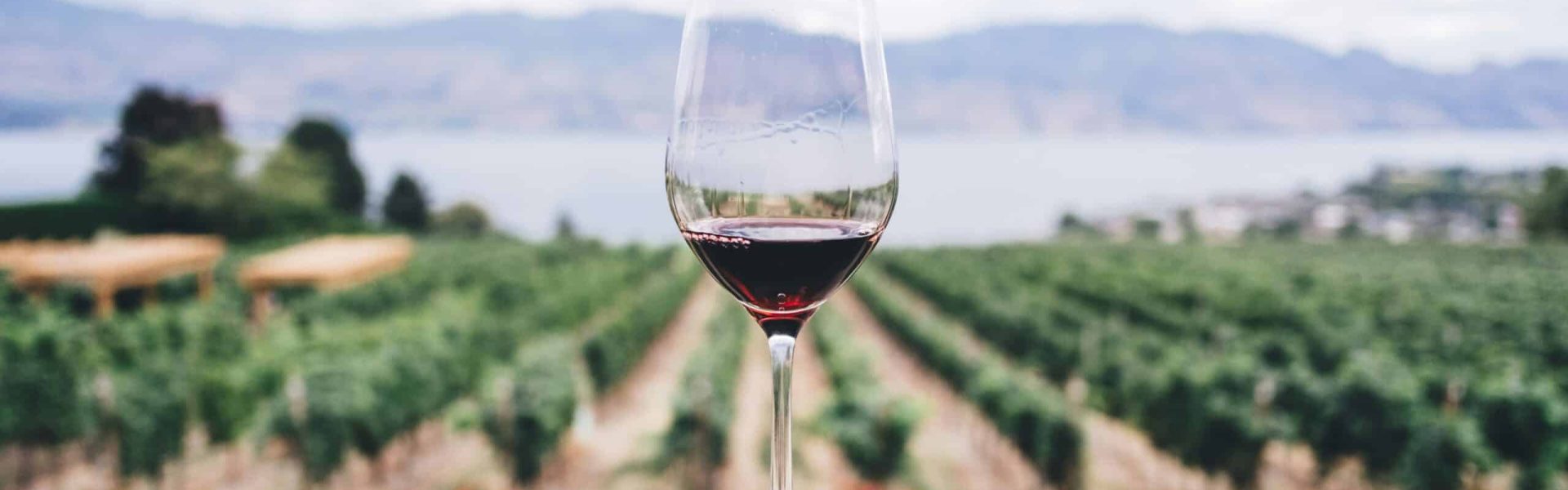
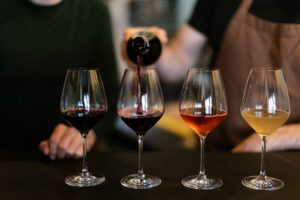
Wine tasting is an art that allows you to fully appreciate the organoleptic characteristics of each bottle. More than just consumption, it is a true sensory journey that involves sight, smell, taste and even touch. In this guide, we will explore professional techniques for tasting wine correctly and discover all its secrets.
The stages of professional tasting
Proper tasting involves three fundamental stages, each dedicated to a different sensory aspect. Following this process allows us to appreciate every nuance and characteristic of the wine we are tasting.
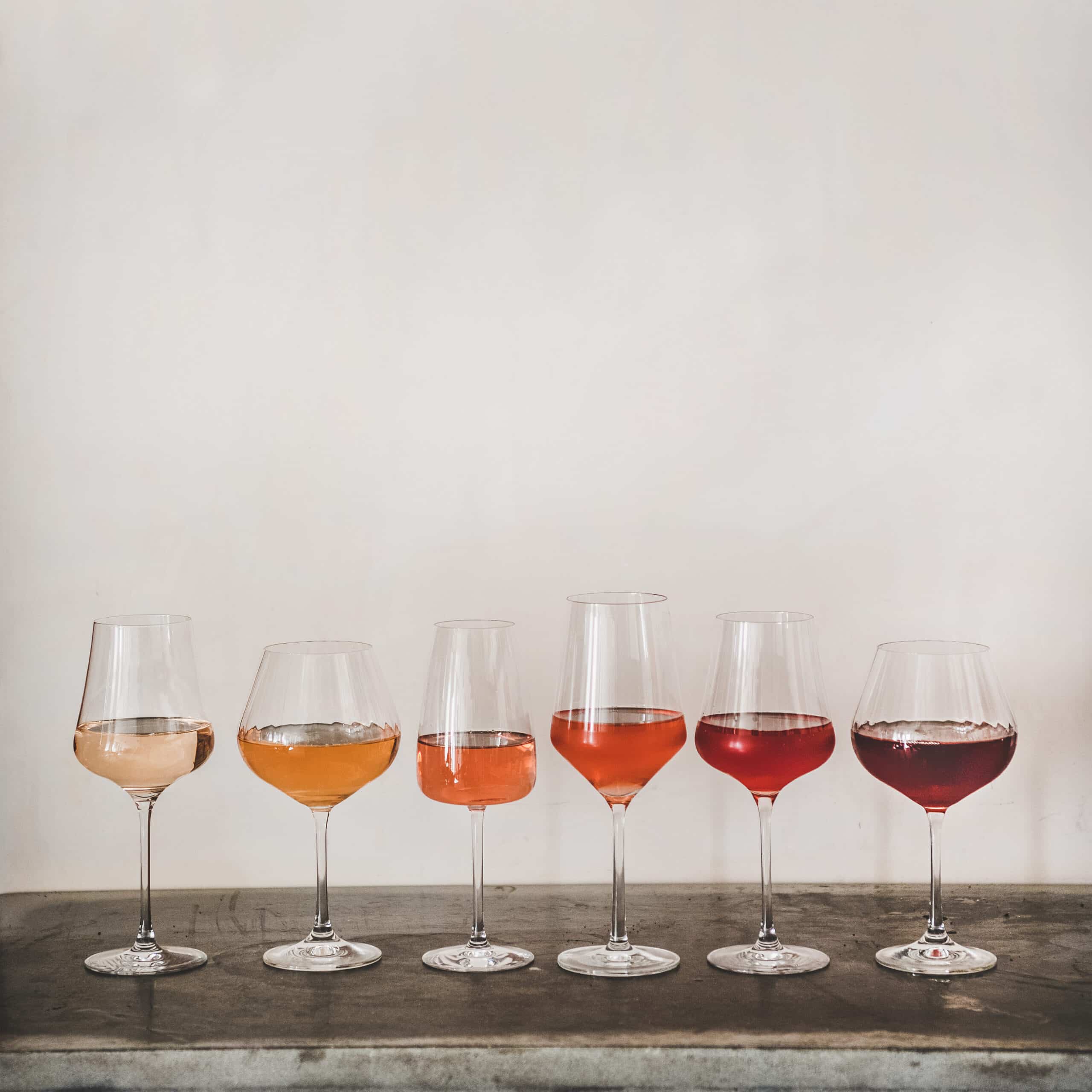
The first approach is through sight, carefully observing the wine in the glass. This stage reveals much more than one might imagine.
What to observe:
In Monteverdi wines, the brilliance of our Vermentino and the chromatic depth of our Sangiovese are the result of careful vinification and controlled ageing.
The olfactory phase is probably the most fascinating and complex part of tasting. The bouquet of wine can reveal hundreds of different aromas, from fruit to flowers, from spices to tertiary notes of evolution.
Techniques for enhancing aromas:
Our red wines have a bouquet that evolves over time: from initial fruity notes to more complex nuances of spices and undergrowth in the more mature wines of our Monteverdi cellar.
Tasting is the culminating moment of the tasting experience. At this stage, we evaluate the balance between the different components of the wine and its overall structure.
Aspects to evaluate:
In our Monteverdi wines, the search for balance is fundamental: from our fresh and savoury white to our red, where elegant tannins blend with just the right amount of acidity to ensure longevity and evolution over time.
The glass: not just a container
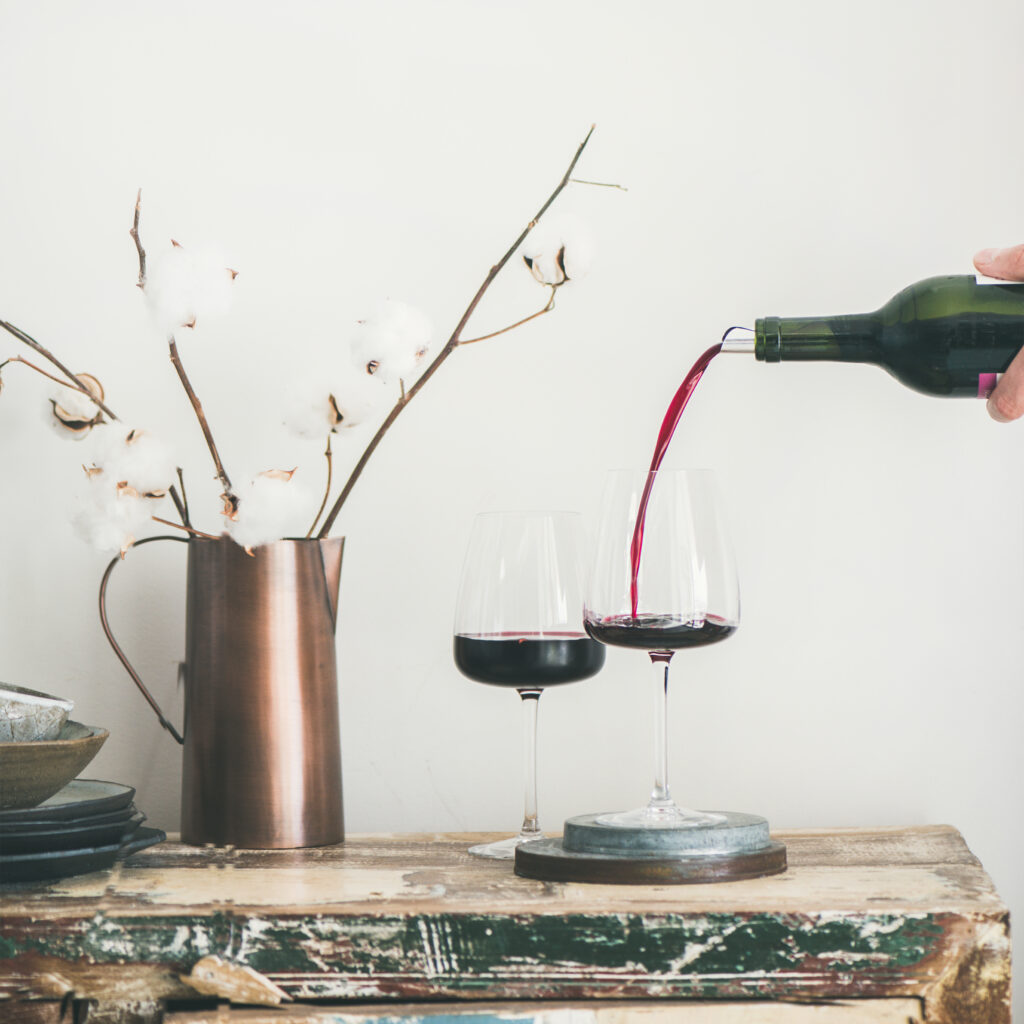
The choice of glass is essential to fully appreciate the characteristics of wine. Each type requires a specific glass to enhance its aromas and flavours.
Characteristics of the ideal glass:
During tastings at the Monteverdi winery, we use professional ISO glasses to ensure an optimal tasting experience for each type of wine.
Serving temperature
Serving wine at the correct temperature is essential to fully appreciate its characteristics. An inappropriate temperature can significantly alter the perception of aromas and flavours.
Recommended temperatures:
Our Monteverdi Vermentino expresses its floral and mineral notes best when served at 9°C, while our Sangiovese reveals its full aromatic complexity at around 18°C.
Creating the ideal conditions
The environment in which the tasting takes place greatly influences the perception of the wine. A few simple measures can significantly improve the experience.
Environmental factors to consider:
In the Monteverdi Vini tasting room, we have created an environment specifically designed to enhance the sensory experience, with natural lighting and materials that do not interfere with the perception of aromas.
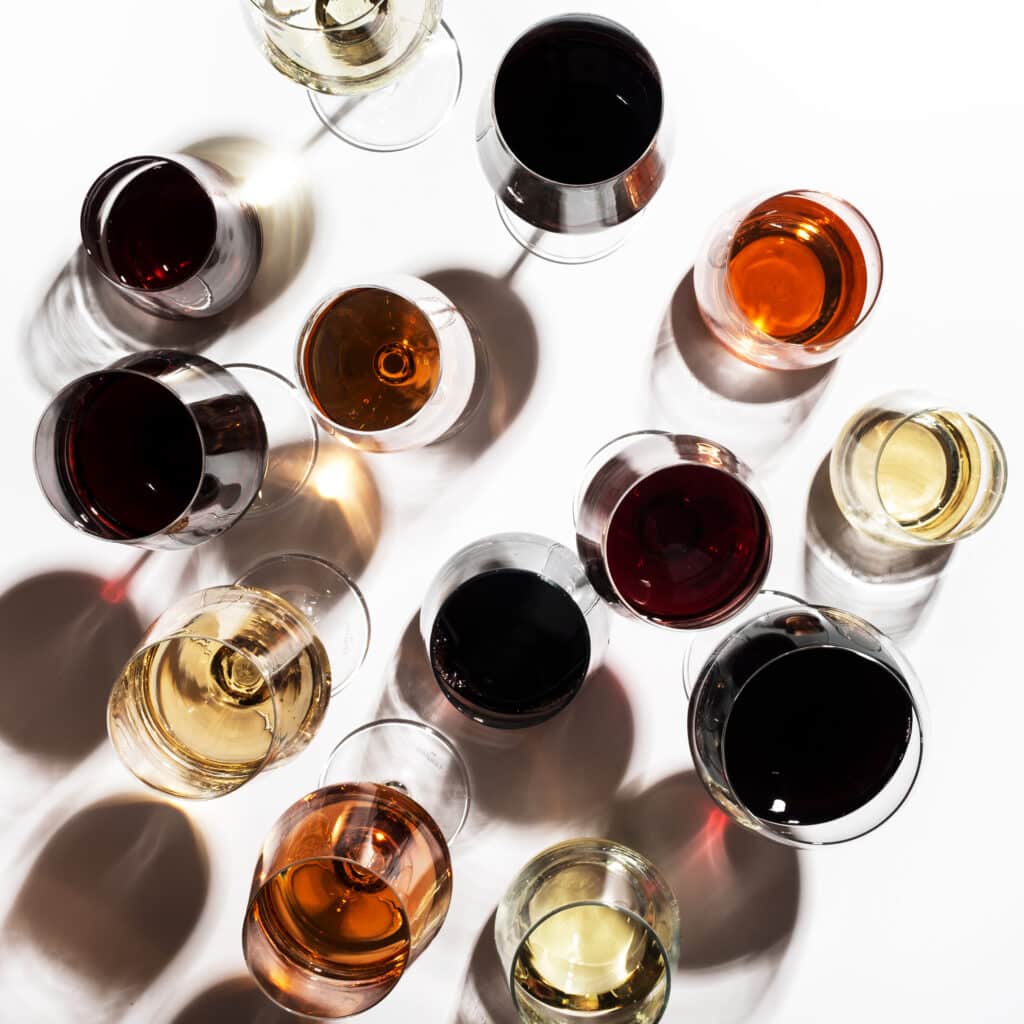
Refine your palate through comparisonAffinare il palato attraverso il confronto
Tasting several wines in succession allows you to refine your perception and better understand the differences between different types, vintages or territories.
The tasting can be enriched by pairing wines with foods that enhance their characteristics and vice versa, creating a harmony of flavours.
Tips for comparative tasting:
Our Monteverdi winery offers guided tasting tours that allow you to compare different vintages of the same wine, discovering how time affects its organoleptic characteristics.
Back to all Introduction Organising
Back to all Introduction Knowing
Back to all Introduction Finding
©Monteverdi Vini s.r.l. – Via A.Moro 19, 26851, Borgo San Giovanni
P.IVA and C.F. 10386050156
Tel. 0371 97033-2
Mail:info@monteverdivini.it
Tasting a wine means immersing yourself in the history of a territory, in the traditions of those who produce it and in the uniqueness of each vintage. It is not only a sensory experience, but a moment of connection with wine culture.
Visit our website and explore our selection of premium wines.
Utilizziamo cookie tecnici necessari al funzionamento del sito e, solo con il tuo consenso, cookie per statistiche e marketing. Puoi accettare tutti i cookie, rifiutare quelli non necessari o personalizzare le tue preferenze. Per maggiori informazioni consulta la nostra Cookie Policy e la Privacy Policy.